By Analyst Team · Updated 2026-07-18 · 12 min read

LIMITED STOCK AVAILABILITY
Claim Your Supply of The Self Sufficient Backyard
Unlock special multi-bottle package savings and priority shipping options today. Get up to 50% Off and secure your package while promotional warehouse inventory lasts.
Introduction: Can Your Backyard Really Make You Self Sufficient?
Rising grocery prices, supply chain disruptions, and a growing desire for independence have more people asking a simple question: can I truly produce my own food, water, and energy from my own property? The answer, according to thousands of successful homesteaders, is a resounding yes — but only if you follow a proven system.
That's precisely what The Self Sufficient Backyard promises to deliver. This complete guide has become one of the most discussed resources for anyone looking to transform their ordinary backyard into a productive, self-sustaining ecosystem. In this comprehensive article, we will explore exactly what this guide contains, how it works step by step, its concrete benefits, its limitations, and whether it's worth your investment in 2026.
We've analyzed the material, studied user testimonials, and compared it with other leading self-sufficiency resources to bring you an honest, data-backed review. If you're serious about becoming more self-reliant, keep reading — this might be the blueprint you've been searching for.
What Is The Self Sufficient Backyard Exactly?
Related Reading: IPTV Free Trial: 8 Critical Checks Before You Commit
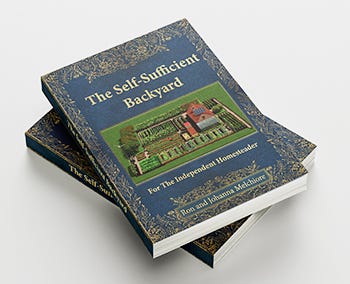
The Self Sufficient Backyard is a comprehensive digital guide (also available in physical book format) created by homesteading experts Ron and Johanna Melchiore. Unlike generic gardening books, this resource focuses specifically on designing and building a complete self-sufficient homestead within the constraints of a typical residential backyard.
The program covers over 20 distinct areas of self-reliance, including: raised bed gardening, aquaponics, chicken and quail raising, rainwater harvesting, solar power installation, food preservation, seed saving, natural pest control, and even small-scale carpentry projects for building your own infrastructure. Each section includes detailed diagrams, material lists, and step-by-step instructions that a complete beginner can follow.
What sets this guide apart from others is its "integrated system" approach. Rather than teaching individual skills in isolation, it shows you how to connect each component — for example, using chicken manure to fertilize your garden, using garden waste to feed your chickens, and using rainwater collection to water everything. This creates a closed-loop system that minimizes external inputs and maximizes output.
Who Created This Guide?
Ron and Johanna Melchiore are not armchair experts. They have lived off-grid for over 30 years in Nova Scotia, Canada, producing nearly 100% of their own food and generating their own power. Their practical experience, combined with their willingness to teach others, gives this guide an authenticity that many similar products lack. They literally wrote the book based on decades of trial, error, and eventual mastery.
How The Self Sufficient Backyard Works Step by Step
One of the most praised aspects of this guide is its structured, progressive approach. It doesn't throw you into the deep end. Instead, it walks you through a logical sequence of projects that build on each other. Here's how it works inside the system:
Step 1: Site Assessment and Planning
The guide begins with a thorough evaluation of your existing space. You'll learn how to measure sunlight exposure, map soil quality, identify water flow patterns, and determine the best locations for different elements of your homestead. Detailed worksheets help you create a scaled map of your property before you dig a single hole.
Step 2: Building the Core Infrastructure
Next, you'll tackle foundational projects. This includes constructing raised garden beds with optimal soil mixtures, setting up a rainwater catchment system (with storage tank sizing guides), and building a basic composting system. Each project comes with a complete materials list and estimated costs, so you know exactly what to expect.
Step 3: Introducing Animals into the System
Once your garden and water systems are established, the guide introduces animal husbandry. You'll learn how to build a chicken coop or quail hutch from scrap wood, how to select the best breeds for egg and meat production in your climate, and how to integrate these animals into your garden's nutrient cycle. Detailed feeding schedules and health checklists are included.
Step 4: Food Preservation and Storage
Producing food is only half the battle. The guide dedicates significant sections to canning, dehydrating, fermenting, and root cellar storage. You'll learn specific techniques for preserving every type of vegetable, fruit, and meat you might produce. Temperature and humidity charts help you customize storage for your climate.
Step 5: Energy Independence
The final major section covers solar power, passive heating/cooling, and biogas generation. The guide explains how to calculate your energy needs, size a solar panel system, and build simple solar ovens and dehydrators. While it won't turn you into an electrician overnight, it provides a solid foundation for reducing or eliminating your reliance on the grid.
Concrete Health Benefits of a Self-Sufficient Backyard
Related Reading: How to Get ChatGPT Plus for Free: The Complete 2026 Guide
Beyond the obvious financial savings and independence, adopting the principles from The Self Sufficient Backyard can have profound effects on your physical and mental health. Here are the most documented benefits based on user reports and scientific literature:
- Access to Organic, Nutrient-Dense Food: Homegrown vegetables picked at peak ripeness contain up to 40% more vitamins than store-bought produce that has traveled thousands of miles. You control exactly what goes into your soil — no pesticides, herbicides, or synthetic fertilizers.
- Daily Physical Activity: Gardening, animal care, and building projects provide natural, low-impact exercise. Studies show that 30 minutes of daily gardening burns approximately 150-200 calories while improving flexibility and strength.
- Mental Health and Stress Reduction: Multiple studies have demonstrated that regular interaction with soil and plants reduces cortisol levels and improves mood. The guide's emphasis on structured routines provides a sense of purpose and accomplishment that combats anxiety and depression.
- Improved Food Security: Knowing you can feed yourself and your family regardless of external circumstances provides a deep sense of security that no amount of money in the bank can match. This psychological benefit is consistently cited as the most valuable outcome by long-term practitioners.
- Reduced Exposure to Toxins: By controlling your water source (rainwater collection) and eliminating chemical inputs, you dramatically reduce your exposure to environmental toxins, heavy metals, and plastic contaminants commonly found in commercial food packaging.
Secure special promotional discount pricing instantly. 100% risk-free money-back guarantee active.
Claim Your Bottle of The Self Sufficient Backyard Now →Honest Limitations and Safety Guidelines
No resource is perfect, and The Self Sufficient Backyard has some limitations that honest buyers should consider before purchasing. We believe transparency serves you better than hype.
Pros
- Written by genuine off-grid experts with 30+ years of experience
- Step-by-step instructions suitable for complete beginners
- Covers all essential areas of self-sufficiency in one resource
- Integrated system approach (not just isolated skills)
- Detailed diagrams and material lists for every project
- Lifetime updates and digital access included
- Practical, realistic advice — no utopian promises
Cons
- Some projects require basic carpentry skills and tools
- Not a quick fix — achieving full self-sufficiency takes months or years
- Cold climate bias (authors live in Nova Scotia)
- Limited coverage of tropical and arid climate adaptations
- Physical book version can be expensive compared to digital only
- Some techniques require significant upfront investment
Safety Guidelines You Must Follow
Self-sufficiency involves real physical labor and potential hazards. The guide includes safety warnings, but here are additional precautions: always wear gloves when handling soil and animal waste to prevent bacterial infections; ensure any solar electrical work is done with proper disconnects and fuses; never consume preserved food that shows signs of spoilage; and check local zoning laws before constructing animal housing or large structures. Some municipalities have restrictions on backyard chickens, rainwater collection, or composting that you must follow.
Comparison with Alternative Self-Sufficiency Guides
Related Reading: Oradentum Reviews: Complete Guide to Benefits, Ingredients & Results
To help you make an informed decision, we've compared The Self Sufficient Backyard with three other popular resources in the homesteading niche. The table below highlights key differences across important criteria.

Who Is The Self Sufficient Backyard For?
This guide is not for everyone. It requires commitment, physical effort, and a willingness to learn through trial and error. However, it is an excellent fit for specific user profiles:
- The Urban Beginner: If you own or rent a home with a small backyard and want to start growing your own food but don't know where to begin, this guide provides a clear, manageable first project for every skill level.
- The Prepper: If you are concerned about supply chain disruptions, economic instability, or natural disasters, this guide gives you practical, actionable steps to build a resilient food and water system that doesn't depend on external infrastructure.
- The Health-Conscious Family: If you want to eliminate pesticides and processed foods from your diet but find organic groceries too expensive, producing your own food is the most cost-effective solution.
- The Retiree or Semi-Retiree: If you have the time and desire to create a meaningful, productive retirement activity, building a self-sufficient homestead provides purpose, daily exercise, and tangible rewards.
- The Homesteader in Training: If you dream of moving to a larger property but want to practice skills on your current lot first, this guide gives you a low-risk testing ground before making a major life change.
How to Get Started with Your Self-Sufficient Backyard Routine
Starting a self-sufficient lifestyle can feel overwhelming. The key is to begin small and build momentum. Based on the guide's recommendations and our own analysis, here is a practical daily and weekly routine for beginners:
First 30 Days: Foundation Building
Start by reading the assessment section and creating your property map. Identify where the sun hits for the longest period (minimum 6-8 hours for vegetables). Test your soil pH and drainage. Then, build one single raised bed — 4x8 feet is ideal. Fill it with the recommended soil mix (compost, peat moss, vermiculite). Plant fast-growing crops like lettuce, radishes, and bush beans. This one bed will teach you foundational skills without overwhelming you.
Daily Routine (15-30 Minutes)
Check soil moisture and water as needed (early morning is best). Inspect plants for pests or disease. Harvest any ripe vegetables. Spend 5 minutes observing which plants are thriving and which are struggling — this observation time is where real learning happens. Feed any animals if you've started with chickens or quail. Collect eggs.
Weekly Routine (1-2 Hours)
Weed your beds thoroughly. Turn the compost pile. Clean animal housing if applicable. Check and clean your rainwater collection filters. Start one new project from the guide — whether that's building a simple cold frame, constructing a compost bin, or setting up a worm composting system. Consistency is far more important than speed.
Ready to transform your backyard?
Get the complete guide with all diagrams, worksheets, and bonus materials.
Access The Self Sufficient Backyard Now →60-Day Money-Back Guarantee | Instant Digital Access
Frequently Asked Questions
Is The Self Sufficient Backyard worth it for beginners with no gardening experience?
Yes, it is specifically designed for beginners. The guide starts with fundamental concepts like soil composition and sunlight requirements before moving to more complex projects. The step-by-step instructions assume no prior knowledge, and the diagrams make it easy to visualize each step. Many users report successfully building their first raised bed and growing vegetables within their first month of following the guide.
Can I really achieve full self-sufficiency with just a small suburban backyard?
Full self-sufficiency on a standard suburban lot (1/4