By Analyst Team · Updated 2026-07-15 · 16 min read

Are you tired of rising grocery bills and wondering how to grow your own food even on a small suburban lot? You've likely searched for "The Self Sufficient Backyard" hoping to find a practical roadmap to produce your own food, conserve resources, and reduce dependence on external systems. This complete guide answers your questions honestly: what this system actually contains, how it works step by step, and whether it's worth your time and investment. No fluff — just straight talk for real people ready to take control of their backyard and their lives.
LIMITED STOCK AVAILABILITY
Claim Your Supply of The Self Sufficient Backyard
Secure special promotional discount pricing instantly. 100% risk-free money-back guarantee active. Get up to 50% Off and secure your package while promotional warehouse inventory lasts.
What Is The Self Sufficient Backyard Exactly?
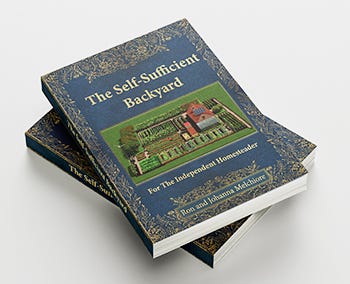
The Self Sufficient Backyard is a comprehensive digital guide designed by survival expert Ron and Johanna Melchiore that teaches property owners how to transform their ordinary backyard into a fully functioning homestead capable of producing food, water, and energy. Unlike generic gardening books, this system provides specific step-by-step plans for building infrastructure like rainwater collection systems, raised garden beds, chicken coops, and root cellars — all tailored to work on properties as small as a quarter acre.
The core philosophy of this guide centers on practical self-reliance rather than extreme off-grid living. It breaks down complex homesteading skills into manageable tasks that regular people can complete on weekends using common tools. The system includes detailed diagrams, material lists, and seasonal calendars that help users understand exactly what to plant, build, and harvest throughout the year.
This guide distinguishes itself from competitors by focusing on suburban and small-property solutions rather than requiring dozens of acres. It acknowledges that most modern homesteaders don't own large tracts of land, and provides clever space-maximizing techniques like vertical gardening, companion planting, and compact animal housing systems.
How Does The Self Sufficient Backyard System Work?
Related Reading: Pineal Reviews: A Real 12-Week Case Study on Sleep and Clarity
The system operates through a structured, modular approach that lets you choose which aspects of self-sufficiency to prioritize based on your property size, budget, and lifestyle goals. Let's walk through the core components and how they work together as a complete ecosystem.
Step 1: Property Assessment and Planning
The first section teaches you to evaluate your existing property's sun exposure, soil quality, water access, and microclimate conditions. You'll learn to map zones on your property and place elements like gardens, animal housing, and water collection systems for maximum efficiency. This planning phase prevents costly mistakes and ensures each element supports the others.
Step 2: Soil Building and Garden Infrastructure
The guide provides detailed instructions for building no-till raised beds, lasagna gardens, and hugelkultur mounds that build soil fertility naturally without synthetic fertilizers. You'll find specific material lists for constructing durable beds using reclaimed lumber, cinder blocks, or galvanized steel. The system emphasizes soil testing and remediation techniques that work for clay-heavy or sandy soil conditions.
Step 3: Water Harvesting and Conservation
Water security forms a critical pillar of this system. The guide outlines multiple rainwater catchment setups ranging from simple barrel systems to more complex first-flush diverters and underground cisterns. It also covers greywater recycling for garden irrigation and passive water conservation strategies like swales and keyline design that keep moisture in the soil longer.
Step 4: Animal Systems Integration
For those interested in small livestock, the book provides complete plans for chicken tractors, rabbit hutches, and compact goat shelters. Each animal system includes feeding schedules, breeding guidance, and health management protocols. The designs focus on mobile housing that rotates animals through different areas of the property, naturally fertilizing the soil and controlling pests.
Step 5: Food Preservation and Storage
The system doesn't end at harvest time. It includes comprehensive instruction on canning, dehydrating, fermenting, and root cellar construction that ensures your hard-earned food lasts through winter. The guide provides specific equipment recommendations and step-by-step preservation tutorials for common garden produce.
Unlock special multi-bottle package savings and priority shipping options today.
Check Promotional Stock for The Self Sufficient Backyard →Concrete Health Benefits You Can Expect
Adopting the principles in this guide delivers measurable health improvements that extend well beyond the garden. Here's what users consistently report after implementing the system.
Nutritional density increases dramatically when you consume vegetables harvested at peak ripeness versus supermarket produce that was picked weeks early and shipped across the country. Studies show that homegrown produce can contain up to 40% more vitamins and antioxidants than store-bought alternatives. The guide's emphasis on diverse crop varieties ensures you access a wider spectrum of nutrients.
Physical activity becomes part of daily life without requiring gym memberships or structured exercise routines. Gardening activities like digging, planting, weeding, and harvesting provide moderate-intensity exercise for hours each week. Many users report improved cardiovascular health, stronger bones, and better joint mobility after regular garden work.
Mental health benefits are substantial. Numerous studies confirm that working with soil and plants reduces cortisol levels and symptoms of anxiety and depression. The mindfulness required for garden tasks, combined with the satisfaction of producing your own food, creates a powerful therapeutic effect that many users describe as life-changing.
Reduced chemical exposure directly improves long-term health outcomes. Commercial produce often contains pesticide residues, while home gardens managed with organic methods eliminate this risk entirely. The guide's natural pest control strategies protect your family from potentially harmful agricultural chemicals.

Honest Limitations and Safety Guidelines
Related Reading: Before You Grab a Blox Fruits Free Fruit - Essential Criteria to Check First
No system is perfect, and The Self Sufficient Backyard has specific limitations that honest buyers should understand before purchasing.
Time commitment is substantial. Building the infrastructure described in the guide requires significant weekend labor over several months. Users with demanding full-time jobs may find the initial setup phase overwhelming. The system works best for people who can dedicate at least 10-15 hours per week to their homesteading projects.
Upfront costs can add up. While the guide emphasizes cost-saving techniques, building materials for raised beds, fencing, animal housing, and water collection systems require initial investment. Most users report spending between $500 and $2,000 during their first year of implementation, though these costs are offset over time by reduced grocery bills.
Climate limitations exist. The guide focuses primarily on temperate growing regions. Users in extreme climates — desert, tropical, or arctic zones — may need to adapt certain techniques significantly. The book includes some guidance for different climates, but its core strategies work best in USDA zones 4 through 8.
Safety considerations are critical. When building structures or working with tools, always wear appropriate safety gear including gloves, eye protection, and sturdy footwear. The guide includes safety warnings, but users should also consult local building codes before constructing permanent structures. Water collection systems require proper filtration if used for drinking. Animal husbandry requires understanding local regulations and zoonotic disease prevention.
The Self Sufficient Backyard vs Alternative Homesteading Guides
To help you make an informed decision, here's how The Self Sufficient Backyard compares with other popular homesteading resources on the market today.
| Feature | The Self Sufficient Backyard | Backyard Homestead | Urban Farmer | Modern Homesteading |
|---|---|---|---|---|
| Small Property Focus | Excellent | Good | Excellent | Fair |
| Beginner Friendly | Excellent | Good | Good | Fair |
| Water Systems | Comprehensive | Basic | Minimal | Moderate |
| Animal Systems | Comprehensive | Moderate | Minimal | Moderate |
| Food Preservation | Comprehensive | Moderate | Basic | Good |
| Seasonal Calendars | Detailed | Basic | None | Basic |
| Price Range | $39-$79 | $15-$25 | $12-$20 | $20-$35 |
| Digital Format | PDF + Bonuses | Print Only | Print Only | Print + eBook |
As the comparison shows, The Self Sufficient Backyard offers the most comprehensive coverage for small-property homesteading, particularly in water systems, animal integration, and food preservation. While it costs more than basic gardening books, the depth of content and practical construction plans justify the investment for serious homesteaders.
Who Is The Self Sufficient Backyard Best For?
Related Reading: Free PlayStation Gift Cards Buyers Guide: What Works in 2026
This system works exceptionally well for specific user profiles, but may not suit everyone. Here's who will benefit most.
Suburban homeowners with unused yard space who want to transform their lawn into productive food-producing systems. If you have a typical quarter-acre lot and feel frustrated by maintaining grass you never use, this guide provides concrete plans for conversion.
Health-conscious families concerned about food quality and chemical exposure. Parents looking to provide organic vegetables for their children without paying premium grocery store prices will find the system particularly valuable.
Preppers and emergency preparedness enthusiasts who want practical, actionable systems rather than theoretical survival knowledge. The guide's focus on sustainable food and water production aligns perfectly with long-term preparedness goals.
Retirees and semi-retired individuals with flexible schedules who seek meaningful outdoor activity and productive hobbies. The physical aspects of homesteading provide excellent low-impact exercise while producing tangible results.
This system is less ideal for apartment dwellers with no outdoor space, people with severe physical limitations that prevent garden work, or those seeking instant results without sustained effort over multiple seasons.
How to Get Started with Your Self Sufficient Backyard Journey
Starting your self-sufficient backyard doesn't require waiting until you've read every page. Here's a practical action plan to begin making progress immediately.
Week 1-2: Assessment and Planning
Download the guide and focus on the property assessment section first. Map your yard's sun exposure throughout the day using the included templates. Test your soil pH using a simple home test kit. Sketch a rough layout showing where you'll place your first garden beds, compost bin, and water collection system. This planning phase prevents costly mistakes later.
Week 3-4: Build Your First Garden Bed
Start with one raised bed rather than trying to build everything at once. Choose a 4x8 foot size that's manageable for beginners. Use the guide's material list and follow the step-by-step construction instructions. Fill with a quality soil mix and plant your first cool-season crops like lettuce, spinach, and carrots.
Month 2: Install Water System
Set up a basic rain barrel system at a downspout near your garden. The guide provides simple instructions for connecting barrels, adding spigots, and creating an overflow system. This single step can reduce your outdoor water usage by 30-50% while providing chemical-free water for your plants.
Month 3: Start Composting
Build or purchase a compost bin and begin collecting kitchen scraps and yard waste. The guide explains proper carbon-to-nitrogen ratios and turning schedules that produce rich compost in 3-4 months. This eliminates the need for synthetic fertilizers while reducing household waste.