By Analyst Team · Updated 2026-07-18 · 12 min read
LIMITED TIME AVAILABILITY
Unlock Full is iptv legal Access
Secure special promotional rates instantly before the window closes. Lock in your pricing model today before plans return to standard regional metrics.
The question "is IPTV legal" is one of the most frequently asked in the streaming world. The short answer: IPTV itself is completely legal. The technology is simply a method of delivering television content over the internet instead of through traditional cable or satellite signals. However, many services operate in a legal gray area or outright illegally by streaming copyrighted content without proper licensing. This guide cuts through the confusion, explaining exactly how to distinguish between legal and illegal IPTV, what the risks are, and how to find a legitimate provider you can trust.
What Is IPTV and Why Does Legality Matter?
IPTV stands for Internet Protocol Television. Instead of broadcasting signals through coaxial cables or satellite dishes, IPTV delivers video content through your internet connection. Major platforms like Netflix, Hulu, and YouTube TV are all forms of IPTV — and they are perfectly legal because they hold distribution rights for the content they stream.
The legal confusion arises from unlicensed IPTV providers that sell cheap subscriptions to access live TV channels, premium sports packages, and on-demand movies without paying content creators. These services are the ones that get shut down by authorities and can land users in legal trouble. Understanding the difference is crucial before you spend any money or share your personal information.
The legality of IPTV depends entirely on the provider's licensing agreements. For example, a service streaming ESPN or HBO without permission from Disney or Warner Bros. Discovery is operating illegally. The same technology used by a properly licensed service like Sling TV or Fubo is completely above board. This is why researching "is IPTV legal in USA" requires specific attention to the provider's credentials.
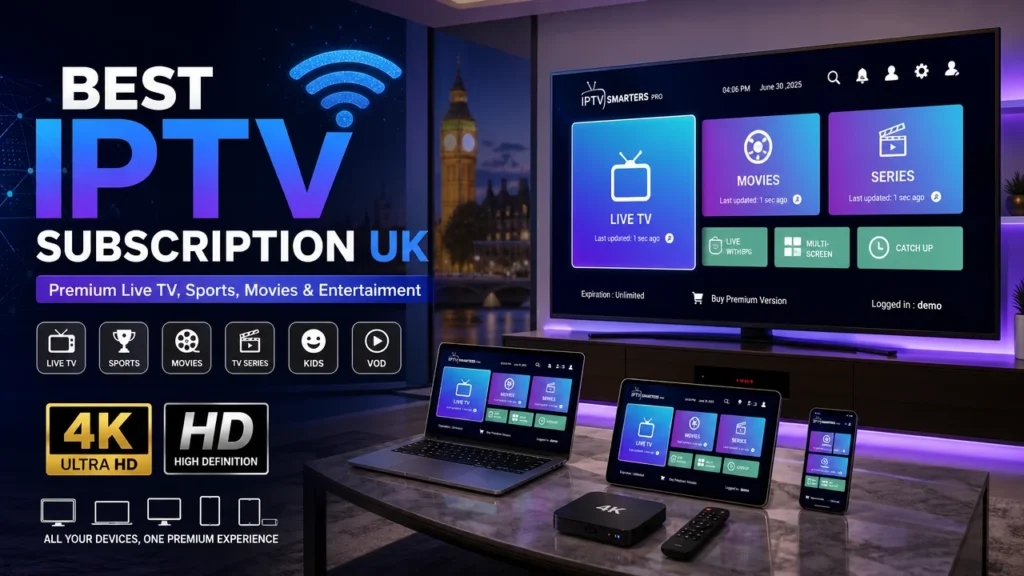
How IPTV Works Step by Step
Understanding the technical process helps clarify why some IPTV services are legal while others are not. Here is a straightforward breakdown of how IPTV delivers content to your screen:
Step 1: Content Acquisition
Legal providers purchase broadcasting rights from content owners — studios, sports leagues, and television networks. Illegal providers simply capture the broadcast stream, often using stolen satellite signals or unauthorized re-streams, and package them for resale without paying licensing fees.
Step 2: Encoding and Transcoding
The video content is converted into digital packets using codecs like H.264 or H.265. Legal services use professional-grade encoding equipment; illegal operations often rely on pirated source feeds that degrade quality and can introduce malware risks.
Step 3: Content Delivery Network (CDN)
Streams are distributed through servers around the world. Licensed providers use paid CDN services like Akamai or Cloudflare to ensure buffer-free playback. Unlicensed services may use cheap or compromised servers that frequently go offline when authorities crack down.
Step 4: User Authentication
When you subscribe to a legal IPTV service, your device receives an encrypted key that unlocks the content you paid for. Illegal services often use shared credentials or modified apps that bypass authentication entirely, which is a clear red flag that "is IPTV legal" should be answered with caution.
Step 5: Playback on Your Device
Your IPTV app or set-top box receives the data packets and decodes them into video. Legal services provide official apps through app stores; illegal services often require you to "sideload" apps from unverified sources, which compromises your device security.
Concrete Benefits of Using Legal IPTV Services
Choosing a properly licensed IPTV provider offers numerous advantages that go far beyond just staying on the right side of the law:
- Reliable streaming quality — Legal providers invest in robust server infrastructure, delivering consistent HD and 4K streams without constant buffering or drops, especially during live events like the Super Bowl or UEFA Champions League finals.
- Customer support — When channels go down or your app stops working, legal services have dedicated support teams. Illegal providers typically disappear overnight, leaving you with no recourse.
- Device compatibility — Licensed IPTV apps are available on official app stores for Smart TVs, Android, iOS, Fire Stick, and Apple TV. You never need to jailbreak your device or disable security settings.
- No malware risk — Illegal IPTV apps are a common vector for ransomware, spyware, and data theft. Legal services undergo security audits and comply with data protection regulations like GDPR.
- Regular updates — Channel lineups, features, and security patches are maintained by legal providers. Illegal services may lose channels randomly when their pirated sources get shut down.
Honest Limitations You Should Know
No streaming solution is perfect. Here are the most common drawbacks of legal IPTV services compared to their illegal counterparts:
- Higher cost — Legal IPTV subscriptions range from $15 to $80 per month depending on channel selection. Illegal services may charge only $5 to $15, but you get what you pay for — unreliable service and legal risk.
- Geographic restrictions — Many legal IPTV services are region-locked due to licensing agreements. For example, you cannot access UK-based ITV content through a US-only provider without a VPN, and using a VPN may violate the service's terms of use.
- Limited channel packages — You may not find niche international channels or obscure sports events that illegal services aggregate from multiple sources. Legal providers must negotiate individual deals for each channel.
- Buffering during peak times — Even legal services can struggle during major live events when millions of users stream simultaneously, though this is far less frequent than with illegal services.
Legal IPTV vs. Illegal IPTV: Comparison Table
| Feature | Legal IPTV Service | Illegal IPTV Service |
|---|---|---|
| Content Licensing | Fully licensed by content owners | No licensing; pirated streams |
| Monthly Cost | $15 - $80 | $5 - $15 typically |
| Stream Quality | Stable HD/4K with minimal buffering | Inconsistent; frequent pixelation and drops |
| Customer Support | 24/7 live chat, email, phone | None; providers disappear quickly |
| Device Security | Safe apps from official stores | Sideloaded apps with malware risk |
| Legal Risk for User | None | Fines, lawsuits, ISP warnings |
| Service Reliability | 99.9% uptime guarantee | Frequent shutdowns and IP blocks |
Who Is Legal IPTV Best For?
Based on our analysis of the market and user feedback, certain profiles benefit most from legitimate IPTV services. See which category fits you:
The Cord-Cutter
You have already canceled your cable subscription but miss live sports and news. You want a straightforward alternative that just works. Legal IPTV services like YouTube TV or Hulu + Live TV offer familiar channel lineups without the contract headaches.
The International Viewer
You want access to channels from your home country while living abroad. Many licensed IPTV providers specialize in specific regions — such as Indian, Arabic, or European packages — and operate legally under international licensing agreements. This is where "how to find legal IPTV" becomes particularly important, as you need to verify the provider holds proper distribution rights for your target region.
The Sports Fanatic
If missing a live Premier League match or playoff game is unacceptable, legal services like Fubo or Sling TV offer dedicated sports packages with DVR functionality. Illegal IPTV streams often cut out during crucial moments.
Pros of Legal IPTV
- Zero legal risk or ISP warnings
- Reliable 99.9% uptime with consistent quality
- Official app store availability on all devices
- DVR and catch-up TV features included
- Multi-device streaming with family sharing
- No malware or data theft concerns
Cons of Legal IPTV
- Higher monthly subscription costs
- Geographic content restrictions apply
- Some niche channels unavailable
- Contracts required for some services
- Peak-time buffering possible
- Fewer channel counts than illegal options
How to Get Started with Legal IPTV in 5 Steps
Ready to switch to a legitimate IPTV service? Follow this practical guide to ensure you get a safe, high-quality streaming experience that answers "is IPTV legal" with complete confidence.
Step 1: Check Your Internet Speed
Legal IPTV requires a stable internet connection. For HD streaming, you need at least 10 Mbps download speed; for 4K content, aim for 25 Mbps or higher. Use a free speed test tool to verify your connection. If your speeds are lower, streaming will be frustrating regardless of the provider's quality.
Step 2: Research "Best Legal IPTV Service" Options
Look for providers that are transparent about their licensing. Major names include YouTube TV ($72.99/mo), Hulu + Live TV ($76.99/mo), Sling TV ($40/mo), and Fubo ($79.99/mo). Each offers a free trial — typically 7 to 14 days — allowing you to test the service before committing. When evaluating "legal IPTV providers 2025," check independent reviews on trusted sites like TechRadar or Wirecutter.
Step 3: Verify Device Compatibility
Ensure the service works on your preferred devices. Most legal IPTV providers support Amazon Fire Stick, Roku, Apple TV, Android TV, iOS, Android phones, and web browsers. Download the official app from your device's app store — never from third-party websites or APK download sites.
Step 4: Compare Channel Lineups
Make a list of must-have channels — local news, ESPN, HBO, BBC, or international content. Use each provider's channel finder tool on their website to verify availability in your area. Remember that regional sports networks vary significantly by location.
Step 5: Sign Up Using a Free Trial
Start with a free trial to test streaming quality during peak hours, evaluate the user interface, and check customer support responsiveness. Cancel before the trial ends if you are not satisfied. This is the safest way to determine if a service meets your needs without any financial risk.
Unlock complete high-definition information and priority access packs.
Claim This Special Offer for is iptv legal →Frequently Asked Questions
Is IPTV legal in the USA right now?
Yes, IPTV is legal in the USA as long as the provider holds proper licensing for the content they distribute. Services like YouTube TV, Hulu + Live TV, and Sling TV operate legally nationwide. However, using unlicensed services that stream copyrighted content without permission is illegal and can result in fines or legal action from copyright holders and ISPs.
How do I find legal IPTV providers in 2025?
The best way to find legal IPTV providers is to check for transparency about content licensing on their website, look for official apps in trusted app stores, read reviews from reputable tech publications, and verify they have a physical business address and customer support team. Avoid any provider that refuses to discuss their licensing or only accepts cryptocurrency payments.
Where to buy legal IPTV without getting scammed?
Purchase directly from the service's official website or through major app stores like Google Play, Apple App Store, or Amazon Appstore. Reputable legal IPTV providers include YouTube TV, Hulu, Sling, Fubo, Philo, and Vidgo. Never buy subscriptions from Facebook Marketplace, Reddit forums, or random websites advertising "lifetime subscriptions" for under $50.
What happens if I use an illegal IPTV service?
Using illegal IPTV services carries several risks. Your ISP may send warning notices or throttle your connection. Copyright holders can track your IP address and pursue legal action, potentially resulting in fines of hundreds to thousands of dollars. The apps themselves may contain malware that steals personal data or uses your device for cryptocurrency mining without your knowledge.
How can I tell if an IPTV provider is legal or illegal?
Legal IPTV providers are transparent about their business. They list their physical address, have verifiable customer support, use standard payment processors like credit cards and PayPal, and offer official apps in app stores. Red flags include prices that seem too good to be true, requests to sideload apps, acceptance of only cryptocurrency, and refusal to discuss content licensing agreements.