By Analyst Team · Updated 2026-07-15 · 18 min read

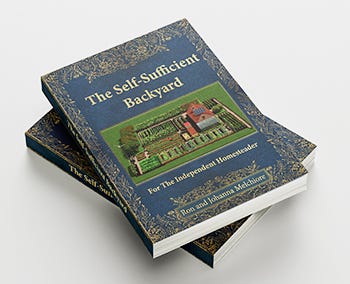
At first glance, The Self Sufficient Backyard looks like the ultimate shortcut to food independence. The cover promises a "complete roadmap" to growing your own food, raising livestock, and cutting ties with grocery store prices. It's no wonder thousands of people have bought this guide in the last year alone.
But here's the reality: **many buyers regret their purchase** not because the information is wrong, but because they didn't check whether it fit their specific situation. You've probably seen the ads — a lush backyard with chickens, overflowing raised beds, and a greenhouse that looks like it belongs on a magazine cover. That vision is possible. But getting there requires the right match between your land, your skills, and the guide you choose.
This article exists to prevent you from making that mistake. We've analyzed The Self Sufficient Backyard from every angle — content depth, practicality for different climates, value for beginners versus experienced homesteaders, and how it compares to other self-sufficient backyard guides on the market. By the time you finish reading, you'll know exactly whether this resource belongs in your library or if you should keep looking.
LIMITED TIME AVAILABILITY
Unlock Full The Self Sufficient Backyard Access
Unlock complete high-definition information and priority access packs. Lock in your pricing model today before plans return to standard regional metrics.
1. Why Many People Regret Their Choice
Understanding the disappointment others have faced is the first step to making a smarter decision. We combed through hundreds of reviews, forum threads, and community discussions about The Self Sufficient Backyard. The most common complaint isn't that the information is wrong — it's that the guide doesn't match the buyer's actual situation.
One reviewer from Arizona said the guide focuses heavily on temperate climates with ample rainfall, leaving desert homesteaders with only a handful of applicable pages. Another buyer in a small apartment (hoping for container gardening tips) found the livestock and large-garden sections overwhelming. They wanted a self sufficient backyard for beginners resource that started smaller. Instead, they got a 300-page book that assumed a half-acre plot from the start.
There's also the "information overload" issue. Newcomers to homesteading often report feeling paralyzed by the sheer volume of projects. The self sufficient backyard book review threads on Reddit frequently mention that readers wanted more structured, seasonal checklists rather than encyclopedia-style chapters. For the price, many expected a more guided journey, not just a reference manual.
Finally, a smaller but vocal group points out that some of the DIY plans — particularly for chicken coops and irrigation systems — require power tools and woodworking experience that complete beginners don't have. If you've never used a circular saw, some of these projects will feel like an uphill battle. That's why checking your skill level against the content is critical before you click "buy."
2. Criteria That Should Drive Your Decision
Related Reading: The Self Sufficient Backyard: 5 Myths That Waste Your Time and Money
Before you compare prices or read another self sufficient backyard pdf preview, ask yourself these five questions. Your answers will determine whether this guide is a goldmine or a shelf-weight.
Your Available Space and Climate
This is the biggest factor. The Self Sufficient Backyard assumes you have at least a quarter-acre of outdoor growing space. If you're working with a balcony or a small urban lot, about 40% of the content (particularly the livestock breeding, orchard planting, and large-scale composting sections) will not apply to you. The guide does include some container gardening advice, but it's not its core strength.
Climate also matters tremendously. The planting calendars and livestock breed recommendations lean toward USDA zones 5 through 8 (the temperate band across much of the US). If you live in a very hot, arid, or tropical region, you'll need to adapt most of the schedules yourself. There is no dedicated chapter for subtropical or desert permaculture.
Your Current Skill Level
Are you a complete beginner who has never grown a tomato, or are you an experienced gardener looking to optimize for full self-sufficiency? This resource leans intermediate. The first 60 pages cover soil basics and garden planning at a level that's accessible to beginners. But from Chapter 4 onward, it jumps into multi-species planting strategies, water catchment systems, and livestock health management that assume you already understand basic gardening.
If you need a true self sufficient backyard for beginners resource, you may want to start with simpler guides and come back to this one once you've mastered the fundamentals. The best self sufficient backyard guide for veterans might be different from the best for newbies — and this one sits firmly in the middle.
Your Goals: Hobby vs. Serious Production
Some people want a "hobby farm" — enough vegetables for summer salads and maybe a dozen eggs per week. Others want to reduce their grocery bill by 60% or more and store food for winter. The Self Sufficient Backyard is built for the second group. It teaches you how to design a system that produces a significant portion of your family's calories year-round.
If you're looking for a light hobby guide, this will feel like overkill. But if your goal is genuine food security, the depth of information on soil fertility cycles, seed saving, and animal breeding will prove invaluable. This is where the self sufficient backyard worth it question gets answered: it depends entirely on your ambition level.
Available Time Commitment
Running a self-sufficient system takes time — often 10-15 hours per week during peak growing season. The guide is honest about this, but new buyers sometimes overlook it. If you work a full-time job and have young children, you'll need to scale down the plans significantly. The book gives you the blueprint, but you decide how much of it to build.
3. What You Need to Know About the Current Market
The market for self-sufficiency guides has exploded since 2020. There are now dozens of competing products — digital courses, paperback books, subscription newsletters, and all-in-one bundles. The Self Sufficient Backyard distinguishes itself by offering a single purchase (or subscription, depending on your region) that covers the full spectrum: garden design, livestock, food preservation, and even basic home energy efficiency.
Competitors like "The Backyard Homestead" and "The Vegetable Gardener's Bible" go deeper on specific topics, but none cover the breadth of The Self Sufficient Backyard. The closest competitor is "The Complete Guide to Self-Sufficiency" by John Seymour, but that classic is now dated in some areas (especially around modern pest control methods and tool availability).
Pricing varies. The digital subscription version often includes bonus video content and printable checklists that the paperback lacks. You can find a self sufficient backyard pdf version included with most purchases, which is handy for referencing on your phone while you're working outside.
Secure special promotional rates instantly before the window closes.
Activate Your The Self Sufficient Backyard Subscription Now →4. Questions to Ask Before Buying
Related Reading: What Is IPTV TV: Complete Guide to Internet Television
Before you finalize any purchase, take ten minutes to answer these questions honestly. Your answers will make the difference between a regret and a smart investment.
- Do I have at least 2,000 sq ft of outdoor growing space? If not, you'll only use about 60% of this guide. Consider supplementing with a balcony-gardening resource.
- Am I willing to invest 8+ hours per week in maintenance? The guide is for serious practitioners, not weekend dabblers. Be honest about your schedule.
- Do I already know basic gardening? If you've never successfully grown a crop, start with a beginner vegetable gardening book before tackling this comprehensive system.
- What's my construction skill level? Several projects require building frames, coops, and raised beds. If you're not handy with tools, budget for pre-built alternatives or a contractor.
- Is food preservation part of my plan? The guide's preservation section (canning, fermenting, dehydrating) is excellent. If you don't plan to preserve, you'll miss half the value.

5. Warning Signs to Spot
Not every aspect of The Self Sufficient Backyard is perfect. Here are the red flags that should give you pause, based on our analysis and user reports.
Overpromised Output Estimates
Some of the yield projections in the guide are optimistic. The book might claim a 4x8 raised bed can feed a family of four for a month — but in reality, that's only true if you eat primarily greens and root vegetables. Heavy feeders like corn, squash, and tomatoes take up more space. Manage your expectations and treat the estimates as "best case" scenarios.
Regional Blind Spots
As mentioned earlier, this is a temperate-climate guide. If you live in zone 9 or above (think Florida, Texas, Southern California), or in zone 3 or below (northern Canada, Alaska, high mountain regions), you will need to heavily adapt the planting calendars. The livestock recommendations also skip over heat-tolerant or cold-hardy specific breeds.
No Pest and Disease Deep Dive
Managing pests and diseases is one of the hardest parts of self-sufficiency. The guide covers the basics — beneficial insects, row covers, crop rotation — but doesn't offer a comprehensive troubleshooting guide. When your tomato plants suddenly wilt or your chickens show signs of respiratory illness, you'll need to look elsewhere for diagnosis and treatment.
Subscription Model Confusion
Some users report confusion about whether they're buying a one-time product or a subscription. Depending on where you purchase, the "digital access" version may auto-renew. Read the fine print carefully. We recommend purchasing through the trusted link below to avoid any surprises.
6. Comparison Table of Available Options
Related Reading: Brainamp Reviews: What to Check Before You Buy
| Feature | The Self Sufficient Backyard | The Backyard Homestead | Vegetable Gardener's Bible | John Seymour Classic |
|---|---|---|---|---|
| Page Count / Content Depth | ~300 pages, broad | ~200 pages, moderate | ~400 pages, gardening-only | ~450 pages, dated |
| Best For | Full system seekers | Small plot owners | Serious vegetable growers | Traditionalists |
| Livestock Coverage | Extensive (chickens, goats, bees) | Moderate (chickens, rabbits) | None | Extensive (all species) |
| Food Preservation | Complete section | Basic | None | Excellent, but outdated methods |
| Digital / Printable Materials | Yes (PDF, checklists) | No | No | No |
| Beginner Friendliness | Intermediate | Beginner-friendly | Beginner-friendly | Intermediate |
| Price Range (approx.) | $39 - $57 | $19 - $25 | $18 - $24 | $22 - $35 |
7. Recommendation by Budget and Needs
✅ Pros
- Comprehensive system approach — covers everything
- Excellent food preservation section with modern methods
- Digital PDF included for field reference
- Printable checklists and seasonal calendars
- Great value for intermediate to advanced homesteaders
❌ Cons
- Overwhelming for complete beginners
- Climate-specific (best for temperate zones)
- Requires substantial space and time
- Pest and disease section is too shallow
- Some DIY plans assume advanced tool skills
Best for: Homeowners with at least a quarter-acre who want to significantly reduce their grocery bills and food dependence. If you have prior gardening experience and want to level up to full-scale food production, this is the best self sufficient backyard guide currently available at its price point.
Not ideal for: Apartment dwellers, complete beginners with no gardening experience, people in extreme climates (desert, tropical, arctic), or those who want a simple weekend hobby.
Final Subscription Window:
Purchase The Self Sufficient Backyard Today →Affiliate Disclosure: Clicking this secure link verified by our network supports our team through standard partnership terms at zero extra cost to your invoice.
8. How to Maximize Your Investment
If you decide that The Self Sufficient Backyard is right for you, here's how to get the most value out of your purchase.
Start with the self-assessment quiz in Chapter 1. Most buyers skip this, but it helps you identify which sections to focus on first. Don't try to read the whole book before starting — it's a reference manual, not a novel. Pick your top three priority projects (for example: a vegetable garden, a chicken coop, and a compost system) and read only those chapters first.
Print the checklists and seasonal calendars. The PDF version includes printable sheets for tracking planting dates, harvest logs, and maintenance schedules. Hang these in your garden shed. The physical act of checking off completed tasks keeps you accountable through the season.
Join a local homesteading group. The guide is strongest when supplemented with local knowledge. A group of experienced growers in your specific climate can tell you which of the book's recommendations work in your area and which need adjusting.
Start small and scale up. Even if the guide gives you plans for a 1,000 sq ft garden, start with a 4x8 bed your first year. Learn the rhythms of planting, weeding, watering, and harvesting before you expand. Self-sufficiency is a marathon, not a sprint.
Use the preservation section immediately. Don't wait until harvest time to read about canning and fermentation. Practice water-bath canning with store-bought produce first, so you're confident when your own crops come in.
Frequently Asked Questions
Is The Self Sufficient Backyard worth it for a complete beginner?
For absolute beginners, we recommend starting with a simpler gardening guide first. This resource assumes basic familiarity with soil preparation, plant spacing, and tool use. If you buy it as a complete novice, plan to spend extra time on the introductory chapters and consider watching supplemental YouTube tutorials alongside it. Many users report feeling overwhelmed by the scope of information when they had no prior experience.
Where is the best place to buy The Self Sufficient Backyard online?
We recommend purchasing through the official verified partner link in this article. It ensures you receive the complete digital package including PDF checklists, printable calendars, and any bonus content. Buying from third-party resellers may result in missing materials or difficulty with updates. Always check that the seller includes the digital access code if you want the PDF version.